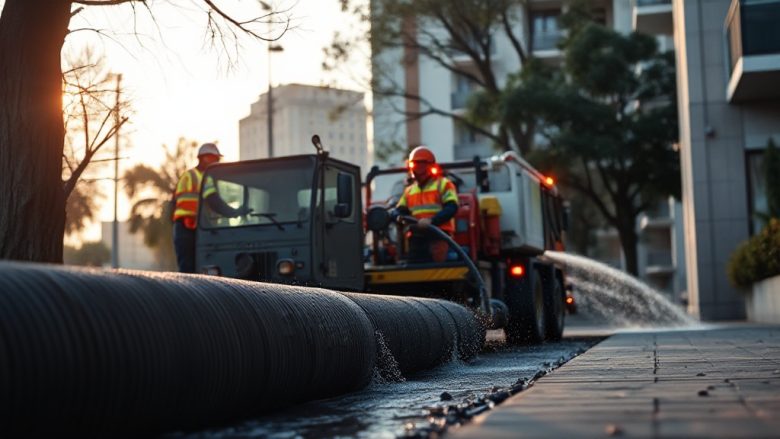
Desentupidora Parque do Carmo: Why Local Drain Knowledge Matters
By the end of this account, you will understand why a cautious homeowner or building manager in this eastern São Paulo district should treat drain and sewer problems as a local-knowledge problem, not just a plumbing problem. The practical result is a shortlist of questions and expectations that protect your property, your neighbours and your budget before anyone lifts a tool. The background matters because Parque do Carmo is not a generic address, and the pipes beneath it are not generic either.
When a drain backs up here, the first useful decision is not which chemical to pour, but who to call and how quickly they can reach the block. A reliable desentupidora Parque do Carmo is valuable precisely because the team already knows the terrain, the building stock and the typical failure points of the neighbourhood.
What the Neighbourhood Itself Tells You About Drain Risk
Parque do Carmo sits in the eastern zone of São Paulo, close to the large green area that gives the district its name. That geography shapes drainage in ways that are easy to overlook. Streets near the park and its surrounding residential blocks combine older houses, low-rise buildings and a growing number of small commercial premises, which means the underground network has been extended, patched and reconnected many times over the decades.
For a cautious client, the lesson is simple: a blockage in one property is rarely an isolated event. It is often a symptom of a shared line, a tree root, a settling joint or a slope that no longer drains the way it was designed to. That is the background that makes the rest of the decisions make sense.
Older construction and shared lines
Many homes in the area were built when clay and early PVC pipes were standard. Those materials are serviceable, but joints loosen, roots find the gaps, and grease or soap residue narrows the bore over time. When several houses share a connection to the street collector, one stubborn blockage can affect an entire row of properties.
Rain, slopes and the green area
Proximity to a large park means mature trees and heavier organic load in the soil. Roots seek moisture and can enter cracked pipes. Heavy summer rain also raises the load on public collectors, which can push water back into private lines. A cautious manager plans for both the root and the rain, not just the visible clog.
How a Local Emergency Call Actually Unfolds
The sequence below is the typical order of events when a household or condominium calls for emergency help in the district. It is written as a narrative because the order matters: each step reduces risk for the next one.
- The call and the triage. The team asks what is backing up, where, and for how long. This first conversation separates a single blocked sink from a rising sewer that needs immediate attention.
- Arrival and inspection. A technician checks the affected fixtures, the inspection points and, where accessible, the street connection. The goal is to locate the obstruction before choosing a method.
- Method selection. A simple sink may need a manual snake or a small machine. A main line may need hydrojetting. A septic tank may need pumping and cleaning rather than rodding.
- Clearing and verification. After clearing, the line is tested with water flow. A job that is not verified is not finished, because a partial clearing tends to return within days.
- Prevention advice and documentation. A good technician explains what caused the blockage and what to change, and leaves a record for the building manager or homeowner.
For a cautious client, the most important step is the second one. An inspection that is skipped turns every later step into guesswork, and guesswork is where unnecessary cost and damage begin.
Choosing a Provider Without Guesswork
The market in São Paulo is large, and not every company that answers a phone at night has the equipment or the local experience to solve a problem on the first visit. A cautious buyer compares providers on substance rather than on the first price quoted. The comparison below reflects the trade-offs that matter most in this district.
| What to compare | Weaker sign | Stronger sign |
|---|---|---|
| Response time | Vague promise of “soon” | Clear arrival window and 24h availability |
| Diagnosis | Clears without inspecting | Inspects and explains the cause |
| Equipment | Only a hand snake | Machine rodding and hydrojetting available |
| Scope | Drain clearing only | Drain, sewer, septic tank and preventive maintenance |
| Record | No written summary | Explains findings and prevention steps |
A provider that offers emergency attendance, hydrojetting and septic tank cleaning under one roof reduces the number of calls a manager has to make during a stressful event. That integration is worth more than a small difference in the hourly rate.
If you are searching specifically for a desentupidora Parque do Carmo São Paulo SP, check that the company actually serves the eastern zone and can describe the typical problems of the area. A firm that treats the district as a distant address will arrive later and diagnose less confidently.
Common Mistakes That Turn a Small Clog Into a Costly Repair
Most expensive drainage problems in residential neighbourhoods begin as small, avoidable mistakes. The list below is drawn from the everyday patterns that cautious managers should watch for in their own buildings.
- Pouring caustic chemicals repeatedly. These products can clear a narrow passage temporarily while damaging older pipes and masking a larger obstruction.
- Ignoring a slow drain. A sink that drains slowly is an early warning. Waiting for a full backup usually means the blockage has grown and spread.
- Flushing wipes and grease. Neither breaks down in the line. Grease cools and coats the pipe wall, and wipes catch on the coating.
- Opening a septic tank without guidance. A tank that is opened and not properly pumped or inspected can release odours and create a health risk.
- Skipping preventive maintenance. Commercial kitchens and condominiums benefit from scheduled hydrojetting before the holiday and rainy seasons, not after a failure.
The common thread is delay. In drainage, delay converts a modest service call into a repair that involves excavation or pipe replacement.
Costs, Trade-offs and What a Fair Quote Looks Like
There is no single price for drain work, because the cost depends on access, depth, method and the condition of the pipe. A cautious client should expect a quote that separates diagnosis, clearing and any follow-up work, rather than a single number given before anyone has seen the line.
Manual clearing is usually the least expensive option and is appropriate for simple fixture blockages. Machine rodding costs more but reaches further. Hydrojetting carries a higher price because it requires specialised equipment and water pressure, yet it cleans the pipe wall rather than just punching a hole through the obstruction. Septic tank cleaning is priced by volume and access.
The real trade-off is between a cheap clearing that returns in a month and a slightly higher service that removes the cause. For commercial premises, the cost of a closed kitchen or a shut bathroom quickly exceeds the difference. For a homeowner, the same logic applies to water damage and the disruption of a second emergency visit.
When comparing quotes, ask what is included in the verification step and whether the provider will document the cause. A written summary is a small thing that protects you if the problem recurs and you need to prove what was done.
Residents who need a desentupidora em Parque do Carmo São Paulo SP should also confirm whether the price includes arrival at night or on weekends, since emergency attendance often carries different terms from a scheduled visit.
Preventive Habits That Keep Lines Clear Through the Year
Prevention is the part of the story that cautious clients control directly. The habits below are simple, and together they reduce the frequency of emergency calls more than any single product on the market.
Kitchen and bathroom routines
Never pour cooking oil down the sink. Collect it in a container and dispose of it with solid waste. Use drain strainers in sinks and showers to catch hair and food particles, and clean them weekly. These two habits alone prevent a large share of household blockages.
Building-level maintenance
Condominiums and commercial buildings should schedule an inspection of main lines and grease traps before periods of heavy use. A short preventive hydrojetting visit is far less disruptive than an emergency call during a weekend event. Managers should keep a simple log of past blockages, because a recurring point is a signal that a section of pipe needs closer attention.
Septic systems
Properties with septic tanks should have them inspected and pumped on a regular schedule rather than waiting for odours or backups. Overloading a tank with grease, wipes or excess water accelerates failure and raises the eventual cost.
The background that makes all of this make sense is the same one we started with: in a district like Parque do Carmo, drains are shared, ageing and exposed to roots and rain. Local knowledge and prevention are not marketing phrases; they are the difference between a routine service and a recurring expense.
Frequently Asked Questions
How quickly can an emergency team arrive in Parque do Carmo?
Arrival time depends on traffic and the time of day, but a company that genuinely serves the eastern zone can usually give a realistic window rather than a vague promise. When you call, ask for the expected arrival time and confirm that night and weekend attendance is available.
Is hydrojetting always better than manual clearing?
No. Hydrojetting is the stronger method for main lines and grease-coated pipes, but a simple fixture blockage may be solved faster and more cheaply with manual or machine rodding. The right choice follows the inspection, not the other way around.
Can I use chemical drain cleaners before calling a professional?
It is better to avoid repeated use. Chemicals can damage older pipes and provide only temporary relief while a larger obstruction remains. If a drain is slow or backing up, an inspection is the safer first step.
How often should a condominium schedule preventive maintenance?
It depends on usage, but many buildings benefit from at least one inspection per year, with additional attention before rainy periods and high-occupancy holidays. Buildings with commercial kitchens or heavy grease load should schedule more frequently.