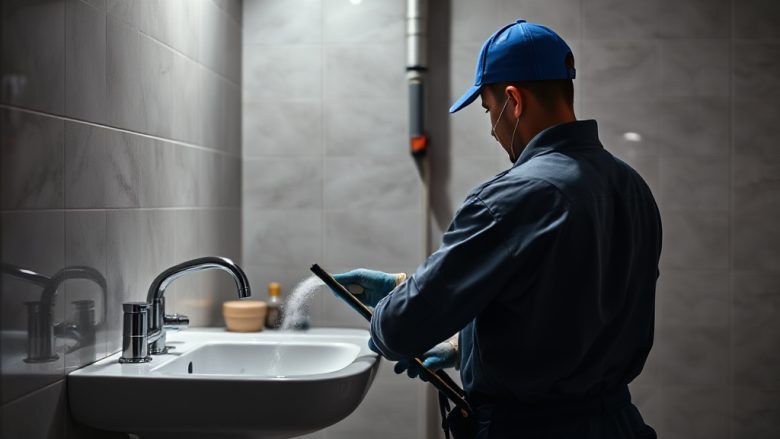
Stop Paying Twice: Prevention vs Repair Costs for Sinks in Bairro do Limão
If you have unclogged the same kitchen sink three times in one year, the drain is not the problem — your approach is. Each emergency call feels like a quick fix, but the pattern keeps repeating because the underlying cause was never addressed. In Bairro do Limão, a neighborhood with a mix of older homes and busy commercial kitchens, this cycle is common. The good news is that stopping it starts with understanding what each clog actually costs you, both in money and in disruption.
When you search for a desentupidora em Bairro do Limão São Paulo SP, you are usually looking for immediate relief. But the smartest move is to ask for a diagnosis, not just a rodding. Prevention is almost always cheaper than repair, and the numbers prove it once you add up the hidden expenses.
The Real Cost of a Recurring Clog in Bairro do Limão
A single emergency unclogging in this neighborhood typically runs between R$150 and R$350 for a simple sink, depending on the time of day and the equipment needed. That seems manageable until you multiply it. Three calls in a year means R$450 to over R$1,000 spent on the same drain — plus the hours you lose waiting for a technician, the ruined food, and the stress of a flooded cabinet.
There is also the damage you cannot see. Repeated chemical drain cleaners erode PVC joints and older metal pipes, turning a minor blockage into a leak behind the wall. In Bairro do Limão, many buildings date back decades, so the plumbing is already fragile. Every emergency fix that skips the root cause adds hidden wear to your pipes.
Commercial kitchens face even higher stakes. A closed sink during lunch service can cost a small restaurant hundreds of reais in lost sales per hour. That is why owners who once relied on reactive calls are now scheduling preventive maintenance — it protects revenue as much as it protects pipes.
What You Are Actually Paying For
When you call an emergency team, you pay for speed: after-hours labor, travel, and the use of motorized augers or hydro-jetting equipment. Those costs are legitimate, but they do not include a long-term solution. A proper diagnosis — camera inspection, pipe mapping, and flow testing — is what turns a temporary fix into a permanent one.
Many homeowners skip the diagnosis because it adds R$200 to R$400 to the bill. Yet that extra step often reveals a collapsed pipe, a root intrusion, or a slope problem that would have caused three more emergencies. Paying once for a diagnosis is cheaper than paying three times for the same symptom.
Prevention Habits That Cost Almost Nothing
Most kitchen sink clogs in Bairro do Limão start with grease and food scraps that cool and solidify inside the trap. A few simple habits can prevent the majority of them without spending a cent on chemicals.
- Never pour oil or grease down the drain. Collect it in a jar and dispose of it with solid waste. Even hot water followed by soap does not fully clear cooled fat.
- Use a mesh strainer in every sink. It catches rice, coffee grounds, and fibrous vegetable bits before they reach the trap. Empty it into the trash, not the drain.
- Run hot water for 30 seconds after each dishwashing session. This keeps residue moving and prevents buildup in the P-trap.
- Flush with a mixture of baking soda and vinegar once a month. It is gentle on pipes and breaks down organic film without the corrosive effects of bleach or lye.
- Address slow drains immediately. A drain that empties slowly is a warning, not a quirk. Treat it before it becomes a full blockage.
These habits cost less than R$20 a year in supplies and can eliminate most emergency calls. For renters and homeowners alike, they are the first line of defense.
When Habits Are Not Enough
If your sink still backs up despite careful use, the problem may be deeper than the trap — tree roots in the lateral line, a sagging pipe section, or grease that has accumulated over years. At that point, DIY methods like plungers and hand augers only push the clog further down. Mechanical snaking without a camera inspection can damage older pipes and leave the root cause untouched.
This is where professional preventive maintenance pays off. A technician can hydro-jet the line, inspect it with a camera, and tell you exactly what condition your pipes are in. That knowledge lets you plan a repair on your schedule instead of facing an emergency on a holiday weekend.
Professional Preventive Maintenance: What It Includes and What It Costs
Preventive maintenance is not just a sales pitch. It is a defined service with measurable steps and a predictable price. In Bairro do Limão, a standard preventive visit for a residential kitchen sink usually ranges from R$250 to R$500, depending on accessibility and the length of the pipe run.
Here is what a reputable provider typically does during a maintenance visit:
- Inspection: Camera or visual check of the trap, branch line, and main stack to identify buildup or damage.
- Hydro-jetting: High-pressure water scours the pipe walls, removing grease, soap scum, and mineral deposits without chemicals.
- Flow test: Running water at full pressure to confirm the drain empties freely and to detect slow spots.
- Report: A written summary of findings, including any recommended repairs and their urgency.
For commercial kitchens or buildings with multiple sinks, the cost scales with the number of fixtures, but the per-sink price usually drops. Many companies offer annual plans that include two visits per year — one before the rainy season and one before the holiday rush — at a discount compared to individual calls.
If you want a precise figure for your address, the best approach is to ask directly. A local provider can give you a clear answer to quanto custa desentupir pia em Bairro do Limão and explain how maintenance pricing differs from emergency pricing. Transparency here is a good sign of a reliable company.
What to Ask Before Booking
Not all preventive services are equal. Ask whether the price includes a camera inspection, whether hydro-jetting is standard or an add-on, and whether the technician will provide a written report. A company that hesitates on these questions is likely offering a dressed-up emergency call rather than true maintenance.
Also confirm that the team is insured and that they use equipment appropriate for older pipes. High-pressure jetting is safe when calibrated correctly, but it can damage fragile lines if the operator is careless. A professional will adjust pressure to the pipe material and age.
Prevention vs Repair: A Side-by-Side Comparison
The table below compares the typical costs and outcomes of reactive repairs versus preventive maintenance for a single kitchen sink in Bairro do Limão. Figures are based on common local rates and assume a standard residential setup.
| Factor | Reactive Repair (3 calls/year) | Preventive Maintenance (annual plan) |
|---|---|---|
| Direct service cost | R$450 – R$1,050 | R$250 – R$500 |
| Diagnosis included | Rarely | Yes, with camera inspection |
| Risk of pipe damage | High (repeated snaking, chemicals) | Low (controlled hydro-jetting) |
| Downtime | 3 unexpected closures | 1–2 scheduled visits |
| Long-term outcome | Recurring clogs, possible leak | Clean pipes, early warning of issues |
The numbers tell a clear story: prevention costs less than half of what repeated emergencies do, and it includes the information you need to avoid future problems. The gap widens further if a clog causes water damage to cabinets or flooring — a repair that can run into the thousands.
There is also a time cost that never appears on an invoice. Each emergency call requires you to stop what you are doing, wait for a technician, and supervise the work. A scheduled maintenance visit, by contrast, happens on your terms. Predictability is part of the value you pay for.
The Hidden Cost of Waiting
Many homeowners delay preventive maintenance because the sink seems fine. But clogs do not appear overnight; they build up over months. By the time water backs up, the pipe is already partially blocked. Waiting until that point means you pay emergency rates for a problem that could have been caught during a routine visit.
In older buildings in Bairro do Limão, waiting also increases the chance that a minor blockage turns into a burst pipe or a sewage backup. Those events are far more expensive than any maintenance plan and can force you out of your home for days.
Choosing a Provider That Actually Prevents Problems
The right provider will not just clear your drain and leave. They will explain what caused the clog, show you the camera footage if relevant, and recommend changes to your routine. When you contact a desentupidora Bairro do Limão São Paulo SP, look for a team that offers both emergency service and scheduled maintenance — that combination signals a company invested in long-term relationships rather than one-off calls.
Ask for a written estimate before work begins, and confirm that the price includes cleanup and disposal of debris. A reliable company will also provide a warranty on the service, giving you recourse if the same clog returns within a reasonable period.
Finally, check whether the provider serves your specific street or building type. Bairro do Limão has a mix of residential houses, low-rise apartments, and commercial storefronts, and the plumbing challenges differ. A local team familiar with the area will know which pipes are prone to root intrusion and which buildings have undersized lines.
Breaking the Cycle: A Practical Plan for Your Sink
If you are tired of the same clog coming back, start with a week of careful habits: strainer in place, no grease down the drain, hot water flush after each meal. If the drain still runs slow, book a preventive maintenance visit instead of another emergency call. The technician will clean the line properly and tell you whether a repair is needed.
Budget for one maintenance visit per year — roughly the cost of two emergency calls — and you will likely eliminate the third. For commercial kitchens, schedule visits before peak seasons. For landlords, include maintenance in your turnover routine between tenants.
The cheapest unclogging is the one you never need. By shifting from reaction to prevention, you stop paying twice for the same problem and gain something more valuable than a quick fix: peace of mind every time you turn on the tap.